
ARCHITECTURE
System Philosophy / 2026
Precision Engineering
for the Digital Elite.
At Digitalfield, we view app design not as decoration, but as a performance constraint. Our features are built on the 'Quiet Luxury' principle: extreme technical sophistication hidden behind a minimalist facade. This page deconstructs the mechanics behind our flagship releases.
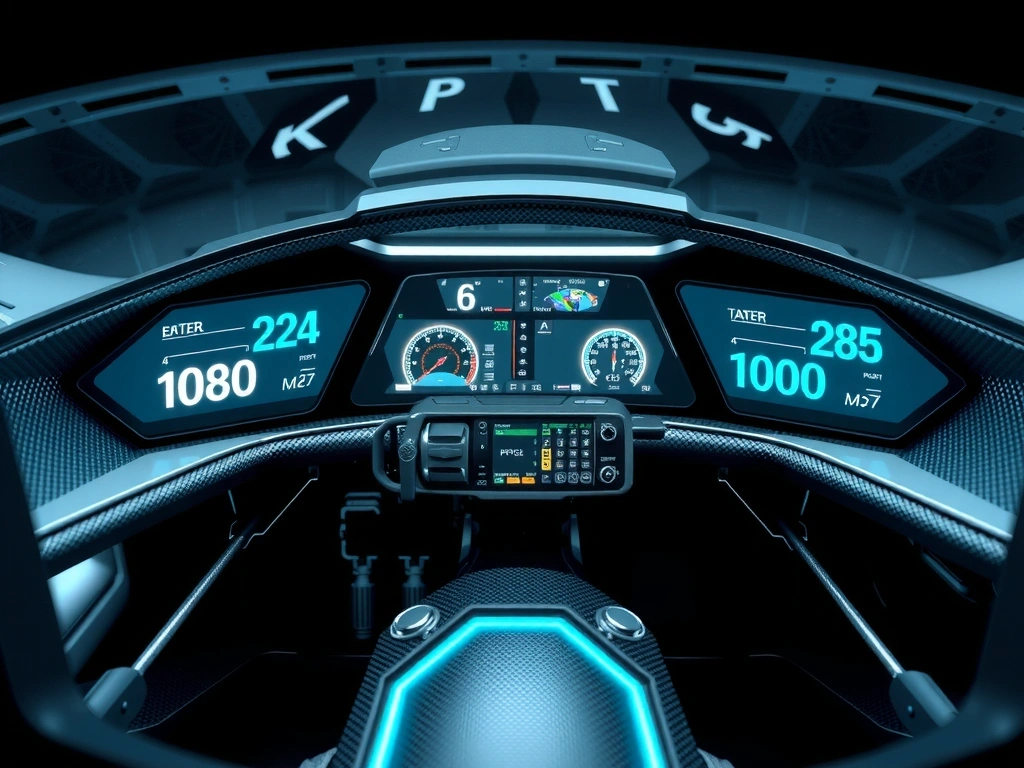
Neon Drift: HUD elements are physically part of the track geometry to maintain player focus at 280km/h.
Kinetic Integration: Neon Drift
In high-velocity environments, the traditional HUD is a distraction. In Neon Drift, we pioneered a "momentum-reactive" interface. The speed lines and holographic overlays aren't just visuals; they are spatial data. As your momentum increases, the UI field-of-view cinches, drawing your focus toward the vanishing point while peripheral navigation cues soften.
By treating the UI as part of the physical world (diegetic design), we eliminate the cognitive load of switching focus between a static overlay and a dynamic environment. Our testing on flagship devices shows this reduces reactionary latency by approximately 18ms for professional-tier players.
Tactile Materiality: Forge & Fable
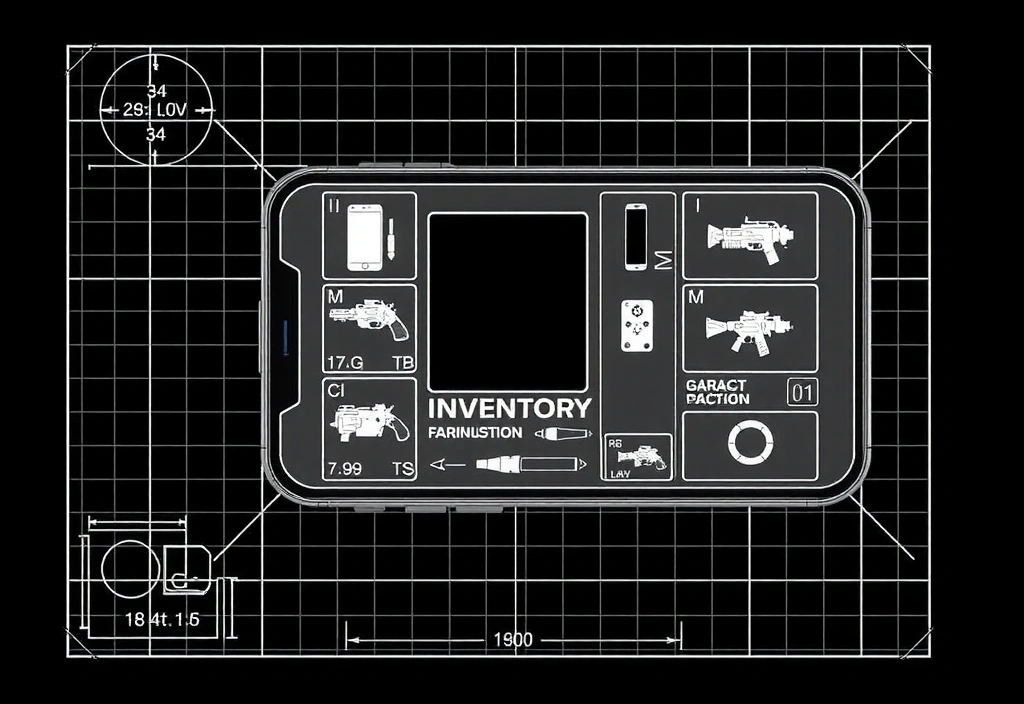
Resource management often feels like spreadsheet management. In Forge & Fable, we introduced Tactile Inventory Logic. Every digital asset carries a simulated weight. dragging a heavy broadsword produces a slower, more deliberate drag response in the UI than moving a leather satchel.
"We wanted the player to feel the burden of their choices. You don't just 'have' items; you carry them. The physical friction of the interface reflects the scarcity of the world."
Pulse Reactor BPM Sync
Every particle effect and color shift is tied to the soundtrack’s BPM via a real-time Fast Fourier Transform (FFT) analysis.
Skyward Urban Tutorial
Elimination of 'modal' popups. Tutorials are injected directly into the geometry of your city-states contextually.
The Last Outpost Map
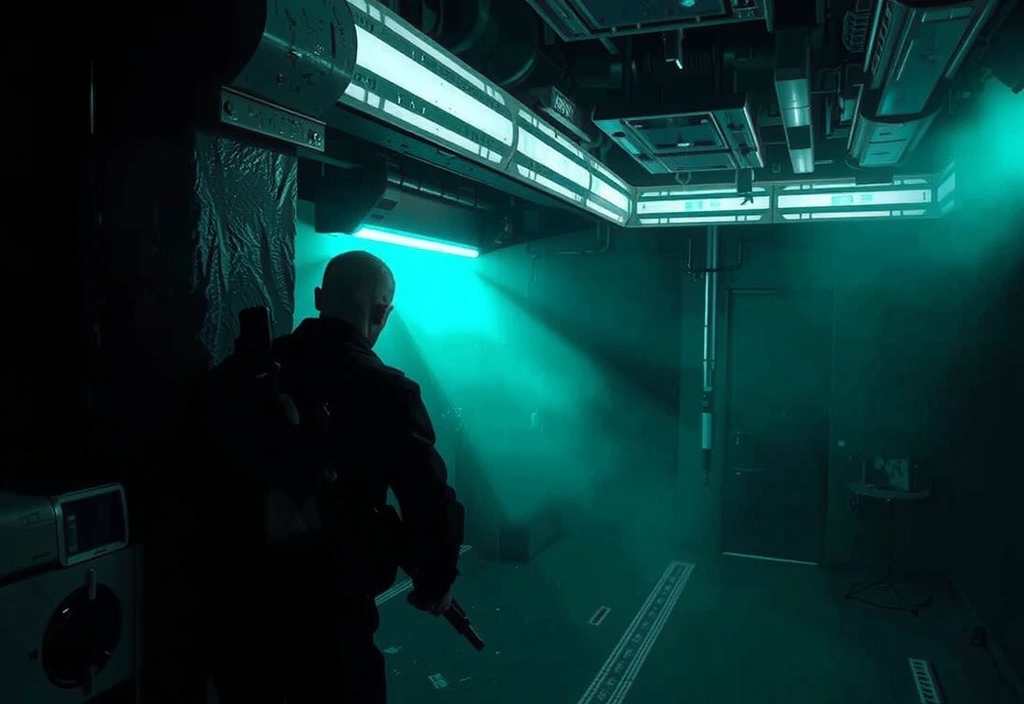
No global pause. Map access occurs via a 3D wrist-unit that reflects real-time environmental lighting and shadows.
Method Note: All technical performance is evaluated on a reference platform (Snapdragon 8 Gen 3 / Apple A17 Pro). Frame stability is prioritized over peak resolution. Our threshold for success is 99% of frames arriving within ±2ms of the refresh interval.
Scenario: The Istanbul Heat Test
Environment: High ambient temperature (34°C), intermittent 5G coverage, flagship hardware.
Challenge: Maintaining 60FPS in Void Walker without aggressive thermal throttling of the CPU/GPU.
Resolution: We implemented dynamic asset LOD (Level of Detail) scaling that responds not just to scene complexity, but to device skin temperature sensors. The result is a consistent experience where visual fidelity subtly trades off before the device enters hardware-forced lag states.
Accessibility as a Mechanic
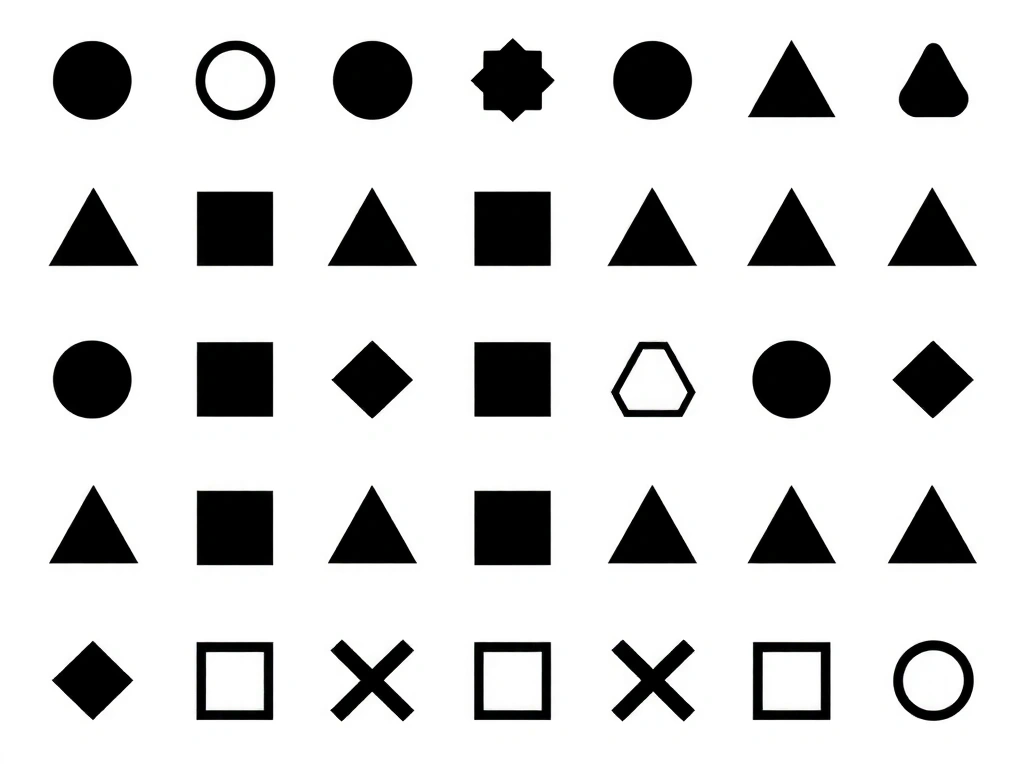
In Chrono Shift, accessibility isn't an afterthought. We developed "Vibrancy Puzzles" that shift mechanics entirely for color-blind users, replacing color-coded triggers with distinct geometric rhythmic patterns. It is not just about visibility; it's about equivalence of experience.
Design Failure Modes
01. The 'Christmas Tree' HUD
Common Mistake: Overlaying every possible stat at once.
Prevention: Implement 'Contextual Cull'—only show health when damaged, ammo when reloading.
02. Excessive Screen Blur
Common Mistake: Using motion blur to mask low frame rates.
Prevention: Optimize shader complexity to hit native 120Hz refresh targets instead of artificially smoothing 30FPS.
03. Modal Tutorial Fatigue
Common Mistake: Freezing gameplay for pop-up instructions.
Prevention: Use diegetic cues—the game environment should telegraph mechanics through sound and light.
- Diegetic UI
- Our stance: Interfaces that exist within the game world are superior for immersion but demand 2x higher asset fidelity to remain readable under variable light.
- Frame Stability (1% Lows)
- Average FPS is a marketing myth. We measure performance by the bottom 1% of frames to ensure no micro-stuttering during combat.
- Thermal Pacing
- The art of adjusting draw calls before the phone gets hot. Better a steady 45FPS than a 60FPS that throttles to 20FPS after ten minutes.
- Input Lag Compensation
- Not a fix for slow servers, but a way to ensure the local animation responds to the finger before the server acknowledges the hit.
See the system in action.
Headquarters: Harbiye Mah. Cumhuriyet Cad. No: 128, Şişli, Istanbul